


Why Wipes Are Essential in Sterilization and Cleaning for Dental and Veterinary Services
Updated: Sep 8
Sterilization and cleaning are the backbone of any dental or veterinary practice. You know that keeping your tools and surfaces spotless is not just about appearance—it’s about safety, trust, and delivering the best care possible. But have you ever stopped to think about the role wipes play in this process? These simple, often overlooked items are actually game-changers in maintaining hygiene and preventing infections.
Let’s explore why wipes are so important in your sterilization and cleaning routines, and how choosing the right wipes can make a real difference in your daily work.
The Critical Role of Wipes in Sterilization and Cleaning
When you think about sterilization, you might picture autoclaves, chemical baths, or UV light. Those are vital, no doubt. But wipes are the frontline soldiers that prepare surfaces and instruments before and after sterilization. They help remove dirt, blood, saliva, and other contaminants that can interfere with sterilization processes.
Wipes are quick, convenient, and effective. They allow you to clean hard-to-reach areas and delicate instruments without soaking or damaging them. Plus, they reduce the risk of cross-contamination by providing a disposable, single-use option.
Imagine wiping down a dental chair or a vet’s examination table between patients. Using the right wipes ensures that you’re not just moving germs around but actually removing them. This step is crucial because sterilization works best on clean surfaces.

Wipes help maintain a clean and safe environment between patients.
What Makes a Good Wipe for Dental and Veterinary Use?
Not all wipes are created equal. You need wipes that are strong enough to clean effectively but gentle enough not to damage sensitive equipment. They should also have disinfectant properties to kill bacteria, viruses, and fungi.
Here are some key features to look for:
Effective disinfectant agents: Look for wipes with proven antimicrobial ingredients.
Material quality: Soft but durable fabric that won’t tear or leave fibers behind.
Compatibility: Safe for use on plastics, metals, and other materials common in dental and vet tools.
Ease of use: Ready-to-use, no mixing or preparation needed.
Compliance: Meets health and safety standards for medical environments.
For example, the Rododonto Disinfectant Wipes are designed specifically for dental and veterinary settings. They combine strong disinfectant power with gentle fabric, making them ideal for cleaning surfaces and instruments without damage. You can check them out here.
How Wipes Fit Into Your Cleaning Workflow
You might wonder where wipes fit in your busy day. Here’s a simple breakdown:
Pre-cleaning: Use wipes to remove visible debris from instruments and surfaces.
Disinfection: Wipe down with disinfectant wipes to kill germs.
Sterilization: After wiping, instruments go into sterilizers like autoclaves.
Post-procedure cleaning: Wipe surfaces again to prepare for the next patient.
This routine helps reduce the risk of infection and keeps your practice running smoothly. It also saves time compared to traditional cleaning methods that require soaking or scrubbing.

Wipes speed up cleaning between patients in busy clinics.
Comparing Popular Wipes for Dental and Veterinary Use
If you’re looking for wipes, you might come across several options. Let’s compare two popular products that fit well in your sterilization process:
Disinfectant Wipes
Description: Ready-to-use wipes with broad-spectrum disinfectant. Safe on most surfaces and instruments.
Benefits: Fast-acting, no residue, gentle on equipment.
Use case: Ideal for daily cleaning of dental chairs, counters, and instruments.
Antimicrobial Wipes
Description: Designed for veterinary clinics, these wipes kill 99.9% of germs including bacteria and viruses.
Benefits: Strong disinfectant, suitable for animal care environments.
Use case: Perfect for exam tables, cages, and equipment in vet clinics.
Both wipes offer excellent cleaning power, but your choice depends on your specific needs. Dental clinics might prefer Rododonto’s gentle formula, while vet clinics may lean toward VetClean’s animal-safe disinfectants.
Why You Should Never Skip Using Wipes
You might think that rinsing or spraying disinfectant is enough. But wipes add a physical action that removes dirt and germs. Without wiping, disinfectants may not reach all surfaces or may be less effective.
Skipping wipes can lead to:
Cross-contamination: Germs spread from one patient to another.
Infections: Increased risk of healthcare-associated infections.
Equipment damage: Dirt buildup can harm instruments and reduce their lifespan.
Regulatory issues: Failure to follow proper cleaning protocols can lead to penalties.
Using wipes is a simple step that protects your patients, your team, and your reputation.
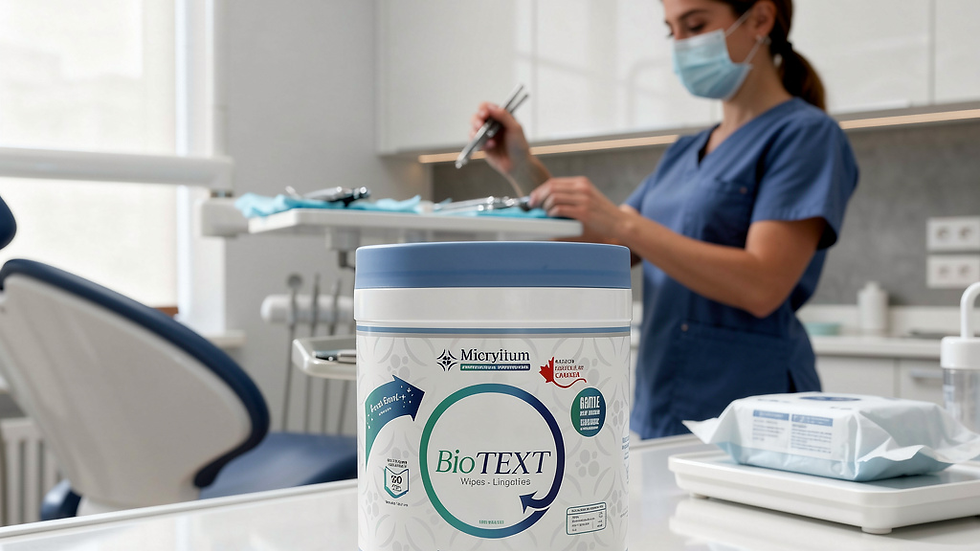
Wipes are an essential part of the sterilization area setup.
Tips for Using Wipes Effectively
To get the most out of your wipes, keep these tips in mind:
Use a fresh wipe for each surface or instrument.
Follow the contact time recommended on the wipe packaging to ensure disinfection.
Store wipes in a cool, dry place to maintain their effectiveness.
Train your staff on proper wiping techniques.
Combine wipes with other cleaning methods for best results.
Remember, wipes are a tool—not a magic fix. They work best when part of a thorough cleaning and sterilization routine.
The Importance of Routine in Infection Control
Infection control is not just a task; it’s a commitment. Establishing a routine that incorporates wipes into your daily practice can significantly enhance your hygiene protocols. Think about it: every time you use a wipe, you’re not just cleaning; you’re actively participating in a culture of safety and care.
Building a Culture of Safety
Creating a culture of safety within your practice involves more than just following protocols. It means instilling a mindset that prioritizes cleanliness at every level. When your team understands the importance of using wipes and adheres to a consistent cleaning routine, you foster an environment where patients feel secure and valued.
Training and Education
Investing time in training your staff on the proper use of wipes can yield significant benefits. Regular training sessions can reinforce the importance of hygiene practices and ensure that everyone is on the same page. This not only improves compliance but also empowers your team to take ownership of their roles in maintaining a safe environment.
Final Thoughts on Wipes in Dental and Veterinary Sterilization
Wipes are more than just a convenience. They are a vital part of your infection control strategy. By choosing the right wipes and using them correctly, you protect your patients and your practice.
If you want to improve your cleaning process, consider products like Rododonto Disinfectant Wipes. They offer a reliable, affordable way to keep your environment safe and clean.
Your commitment to hygiene shows in every patient’s smile and every healthy pet you care for. Wipes help you keep that promise every day.
Ready to upgrade your cleaning routine? Explore quality wipes designed for dental and veterinary professionals and see the difference for yourself.


Comments